
Visa Bulletin Movement in 2025: Retrogression, Priority Dates, and How Attorneys Help Families Navigate Delays
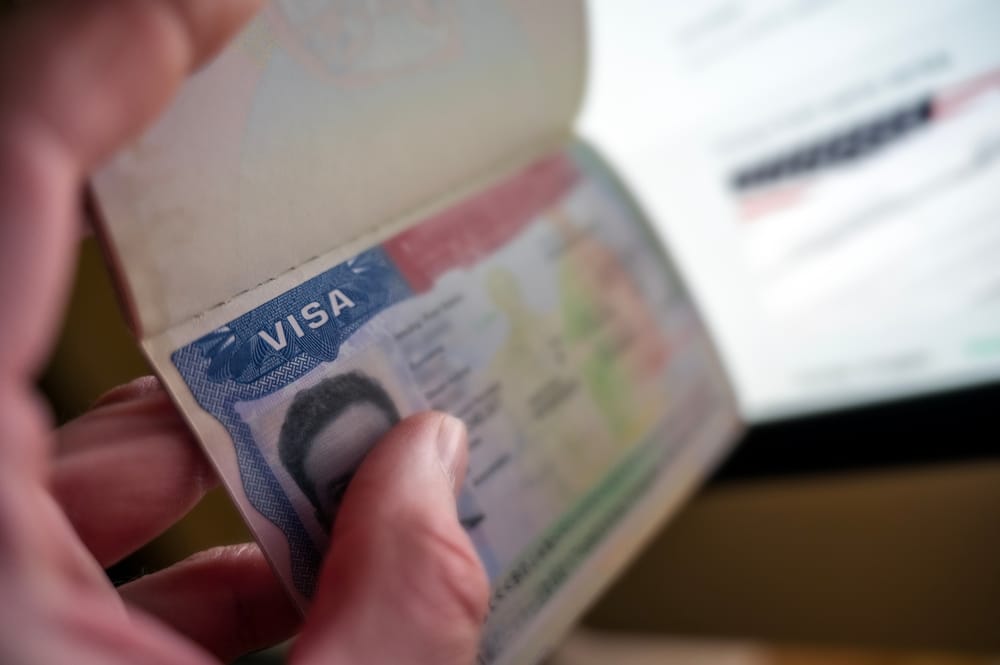 Visa Bulletins are the pacing mechanism for permanent residence for many families and employers because it determines when an immigrant visa number is available in a given category. In 2025, many applicants saw exactly a backward movement, often called retrogression, especially in employment-based categories. With the help of an immigration attorney, understanding why it happens and how priority dates work can help families set realistic expectations and make informed decisions.
Retrogression in EB-2 and EB-3 Categories and What Caused the Backlogs in 2025
Visa retrogression occurs when the cut-off date in the Visa Bulletin moves earlier instead of later, meaning fewer applicants are eligible for final approval that month. The Department of State has explained that this can happen when demand and number use rise so quickly that a category approaches its annual limit and issuance must slow down.
A clear example appeared in the Visa Bulletin for August 2025. The Department of State stated that, due to increased number use, it became necessary to retrogress the employment-based second preference final action date for countries not otherwise listed because the category was rapidly approaching the fiscal year 2025 annual limit. In the same bulletin, the Department noted that demand in employment-based third preference categories remained high and issuance totals were nearing annual limits, making further retrogression or “unavailable” listings possible as the fiscal year closed.
These developments are tied to the way the law allocates visas. Preference visas are generally issued in the order petitions are filed, and when demand exceeds the supply available under annual limits and per-country rules, categories become oversubscribed and cut-off dates are used to manage the queue.
What are Priority Dates in Visa Applications?
A priority date is the applicant’s place in line for a numerically limited immigrant visa. United States Citizenship and Immigration Services explains that the priority date is compared to the cut-off date listed in the Visa Bulletin’s final action dates chart to determine whether a visa is available for the applicant’s category and country of chargeability.
Priority dates also affect timing decisions for adjustment of status filings inside the United States. United States Citizenship and Immigration Services maintains monthly guidance indicating whether applicants must use the final action dates chart or the dates for filing chart when submitting adjustment applications, which can change from month to month.
Can Immigration Lawyers Help in Preventing or Reducing Delays?
While no lawyer can change visa number limits or guarantee faster movement in the Visa Bulletin, an immigration lawyer can often reduce avoidable delays that occur within the process itself. One common source of delay is filing errors or missing evidence that trigger requests for evidence, rejections, or rework at later stages. Counsel can also help families choose the correct pathway, such as whether consular processing or adjustment of status is appropriate, and ensure the case is aligned with the correct chart for the month when filing is permitted.
Attorneys can also evaluate whether a family has more than one viable option and whether an alternative category may be available. This is especially relevant for entrepreneurs asking about an E2 visa green card or E2 visa to green card planning. The E-2 treaty investor classification is a temporary, non-immigrant option, and it can support lawful presence and work authorization, but it is not itself permanent residence.
Moreover, immigration attorneys can assess whether a separate immigrant pathway may fit the family’s long-term goals, timing constraints, and documentation realities, while remaining compliant with federal immigration rules that apply in Florida and nationwide.
Turning Waiting Time Into Forward Motion with the Right Guidance
Retrogression can be discouraging, but it is often a predictable response to demand meeting annual numerical limits, not a signal that a case is stuck forever. The practical goal is to keep your place in line secure, file at the earliest eligible moment, and avoid preventable procedural setbacks.
If your family is weighing next steps during Visa Bulletin delays, Espinoza Law Offices can help you review timing, documentation, and lawful-status strategy with the care expected from our immigration lawyers in Lakeland, FL, to help you map out your next plans.
Schedule a consultation today to learn more.