
Latest Changes to Work Authorization Rules in 2025: Who Qualifies, What’s New, and How Lawyers Protect Your Application
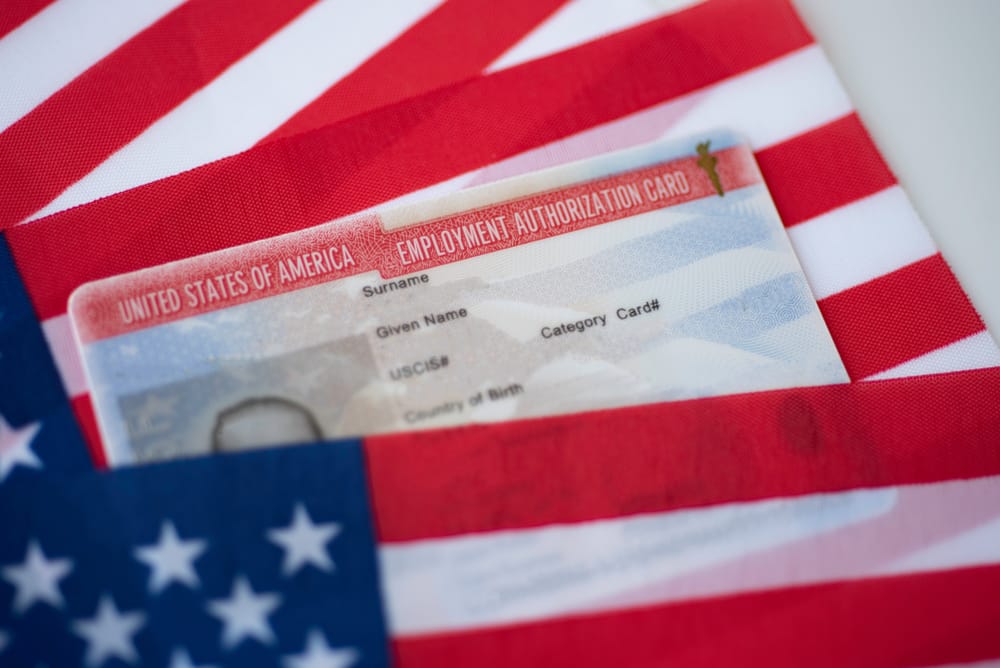 Work authorization rules changed in meaningful ways in 2025, and many applicants are now seeing shorter card validity periods and faster-moving compliance deadlines. These updates can affect families waiting on immigration benefits and employers planning start dates, onboarding, and payroll. The key is to understand which categories are affected and what steps can reduce avoidable delays or denials. This article explains what is new, who qualifies, and how legal guidance from an immigration lawyer in Lakeland, FL, supports a stronger filing.
The USCIS Work Authorization Rule Changes
In December 2025, the United States Citizenship and Immigration Services (USCIS) updated its approach to how long many new and renewed Employment Authorization Documents remain valid. For a wide range of humanitarian and pending-case categories, the maximum validity period that had commonly been issued for longer periods was reduced so that new cards are generally limited to 18 months. The policy applies to work authorization applications filed on or after December 5, 2025, and it can also apply to applications that were still pending on that date.
Who is affected depends on the basis used on the Application for Employment Authorization, also known as Form I-765. Groups frequently included under the shortened 18-month maximum include refugees, individuals granted asylum, individuals granted withholding of deportation or removal, and people with pending asylum applications. Applicants with pending adjustment of status applications under section 245 of the Immigration and Nationality Act are also commonly affected, as are individuals with pending applications for suspension of deportation, cancellation of removal, or relief under the Nicaraguan Adjustment and Central American Relief Act.
These changes do not mean that every applicant will receive exactly 18 months. The agency may still issue a shorter period based on a person’s underlying status or the end date of an underlying grant, which is why the category selection and supporting evidence in the filing matter.
One-Year Work Permits for Some Immigrants
Separate from the 18-month maximum, other rules in 2025 created a one-year cap for certain groups, or a rule that ties validity to the end date of the underlying permission, whichever is shorter. This shift often applies to people paroled as refugees, individuals granted Temporary Protected Status, people granted parole, individuals with a pending Temporary Protected Status application, and spouses of entrepreneurs admitted under entrepreneur parole.
In practice, this means applicants and employers may need to plan for more frequent renewals, more frequent Form I-9 re-verification obligations, and tighter timelines to avoid lapses in employment authorization. Applicants should review the expiration date on the card itself and renew early when eligible, because even a short gap can interrupt lawful employment.
Why Are These Changes Happening?
Federal agencies have explained these changes largely in terms of security screening and vetting priorities and the administration of large humanitarian and parole-related programs. When the government shifts screening procedures, adjusts eligibility rules, or changes how frequently it wants to reassess eligibility, it often results in shorter validity windows so that updated review standards can be applied at renewal. Funding, staffing, and workload priorities also influence how these programs are administered, particularly where large numbers of applicants seek work authorization while another underlying application remains pending.
How Can Lawyers Protect Your Application?
Immigration lawyers cannot promise a faster decision, but they can help reduce preventable problems that slow cases or lead to denials. A careful filing begins with selecting the correct work authorization category, matching evidence to that category, and avoiding inconsistencies between the Form I-765 and the underlying immigration application. When an applicant is in a category affected by 18-month or one-year validity limits, legal guidance also helps set realistic renewal timing and ensures the renewal packet is ready well before expiration.
For employers and entrepreneurs, a business immigration attorney can coordinate work authorization strategy with visa or adjustment planning, including start-date planning and compliance steps tied to work authorization expiration. For families, a family immigration lawyer can align work authorization filings with adjustment or humanitarian processes and prepare for interviews or requests for evidence without last-minute scrambling.
Florida residents should also be mindful of who is permitted to give immigration legal advice. The state has taken steps aimed at reducing misleading advertising by nonlawyers who use titles suggesting legal authority in immigration matters. Working with properly licensed immigration lawyers helps ensure that advice and filings are handled by an authorized professional.
Clear Rules Lead to Strong Filings and Fewer Surprises
The 2025 work authorization changes place greater emphasis on short validity periods, earlier renewals, and accurate category-based filings. Applicants who understand how the 18-month and one-year limits work are better positioned to avoid employment interruptions and unnecessary rejections. Legal guidance supports complete documentation, consistent forms, and renewal timing that matches the new rules.
For help reviewing eligibility and preparing a filing that matches current requirements, Espinoza Law Offices offers case evaluations focused on accuracy, timing, and compliance. Contact us today to schedule a consultation.